
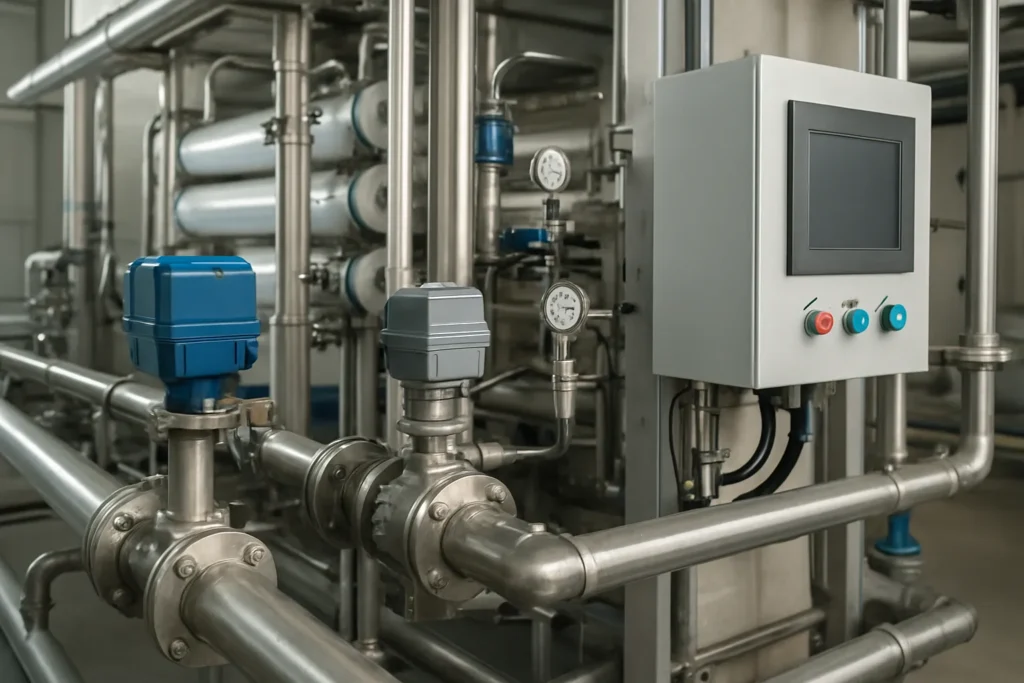
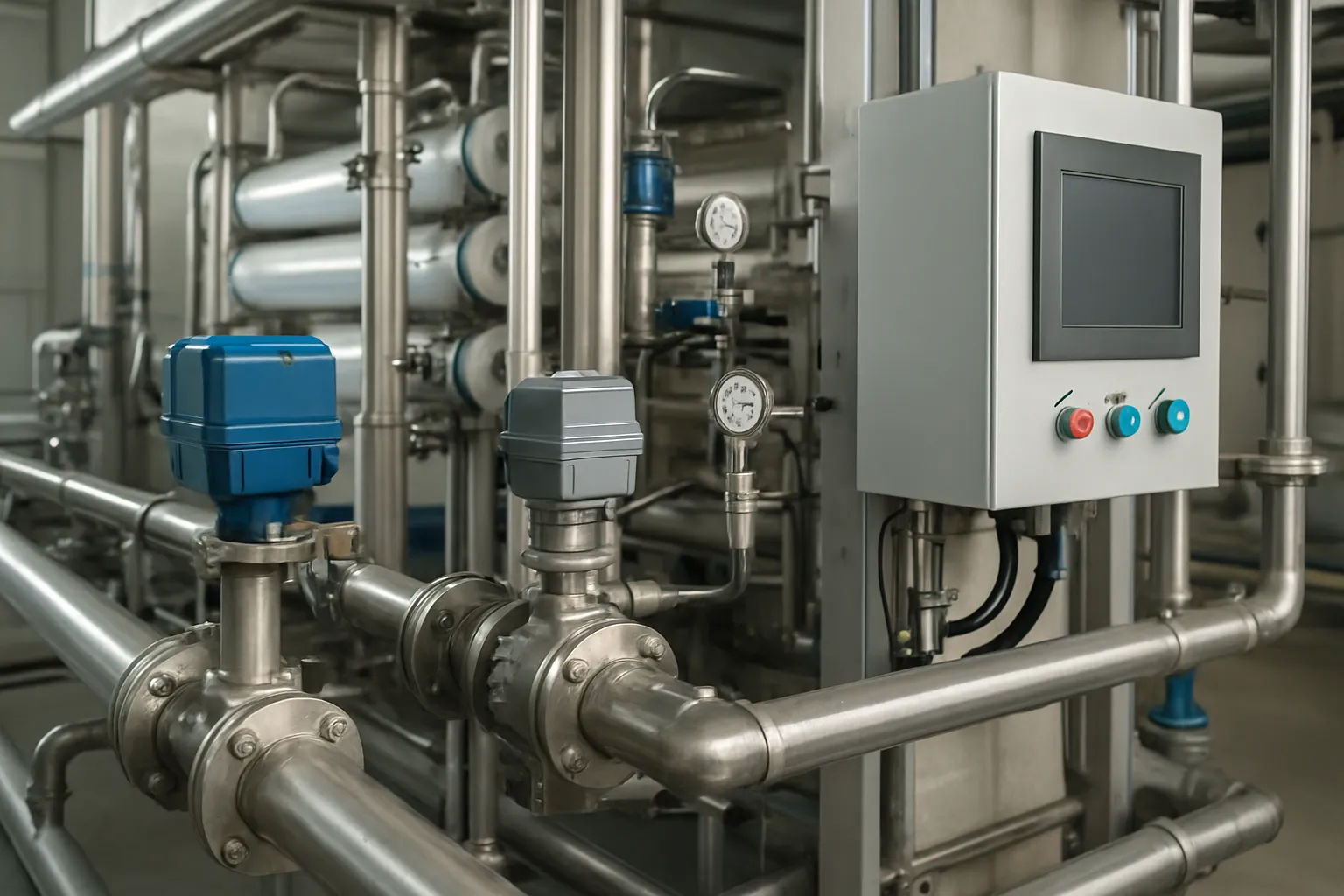
Advancements in Automation Solutions for Water Treatment and Pressure Control
Introduction to Automation Solutions
Automation solutions represent the application of technology to execute tasks with minimal human intervention. In the realm of water treatment and pressure control, these solutions are crucial for improving efficiency, ensuring regulatory compliance, and enhancing overall system reliability. The significance of automation in these fields is immense, as it facilitates real-time monitoring, precise control, and data-driven decision-making, which are vital for maintaining water quality and effectively managing pressure.
Key Advancements in Automation Technologies
Recent advancements in automation technologies have dramatically changed the landscape of water treatment and pressure control processes. A standout development is the integration of smart sensors and the Internet of Things (IoT). Smart sensors deliver real-time data on various parameters, such as water quality and flow rates, empowering operators to make informed decisions quickly. The integration of IoT promotes seamless communication among devices, enabling centralized monitoring and control.
Moreover, the application of artificial intelligence (AI) and machine learning is paving the way for predictive analytics in water treatment. In my experience, these technologies analyze historical data to predict potential issues, optimize processes, and reduce operational costs. Facilities that leverage AI can respond more effectively to changing conditions, thereby enhancing the overall efficiency of their water treatment and pressure control systems.
Specifications of Modern Automation Solutions
Modern automation solutions come equipped with specific performance metrics that are essential for their effectiveness. Key specifications include response time, accuracy, and reliability, which collectively ensure optimal operation in water treatment processes. Furthermore, compatibility with existing systems is a critical consideration. Many organizations prefer automation solutions that can integrate smoothly with their current infrastructure, minimizing disruptions and maximizing return on investment.
Use Cases in Water Treatment
Automation solutions find diverse applications in water treatment. One significant use case is municipal water supply management, where automated systems continuously monitor water quality, detect contaminants, and adjust treatment processes in real time. This not only guarantees compliance with health standards but also enhances public safety.
In industrial environments, automated systems are pivotal in wastewater treatment. These solutions manage the treatment process efficiently, from initial screening to final discharge, ensuring that effluents comply with regulatory requirements. The ability to automate complex processes significantly reduces labor costs and boosts operational efficiency, making it a preferred choice for many industries.
Pressure Control Applications
Automated pressure control systems offer a plethora of benefits, including improved accuracy and a reduced risk of system failures. These systems can dynamically adjust pressure levels based on real-time demand, which is critical in both water distribution networks and industrial processes. For instance, automated pressure control can prevent pipe bursts and leaks, thereby saving costs related to repairs and water loss.
Case studies of successful implementations underscore the effectiveness of automated pressure control. Facilities that have adopted these solutions report considerable reductions in energy consumption and operational costs, along with enhanced service reliability.
Comparing Automation Solutions
When assessing automation solutions, it is vital to consider the balance between cost and efficiency. While the initial investment can be substantial, the long-term savings and operational improvements often justify the expenditure. Additionally, scalability and flexibility are key factors; organizations should opt for solutions that can grow alongside their needs and adapt to evolving technologies and regulations.
Sourcing Automation Solutions
Identifying reputable vendors and manufacturers of automation solutions is essential for organizations aiming to enhance their water treatment and pressure control processes. Leading companies in this sector offer a range of products and services, from software solutions to hardware components. Evaluating supplier capabilities—such as their experience, customer support, and technological innovations—is crucial for securing a successful partnership.
Implementation Strategies
The successful integration of automation solutions hinges on a well-defined implementation strategy. Key steps include conducting a thorough needs assessment, selecting the appropriate technology, and planning for installation. Moreover, training and support considerations are paramount; staff must be adequately trained to operate and maintain new systems effectively. Ongoing vendor support can also facilitate smoother transitions and improve system performance.
Frequently Asked Questions
Common concerns surrounding automation often relate to reliability, data security, and the potential for job displacement. However, advancements in technology have mitigated many of these issues, providing robust, secure systems that enhance operational efficiency without compromising jobs. Looking ahead, future trends in automation solutions will likely emphasize further integration of AI and machine learning, driving even greater efficiencies in water treatment and pressure control applications.
Conclusion
The advancements in automation solutions for water treatment and pressure control applications are revolutionizing the industry, enabling organizations to operate more efficiently and sustainably. By embracing these technologies, businesses can enhance their operational capabilities, ensure compliance with regulations, and ultimately deliver superior services to their customers. As the landscape continues to evolve, staying informed about the latest developments and best practices will be essential for maintaining a competitive edge.