
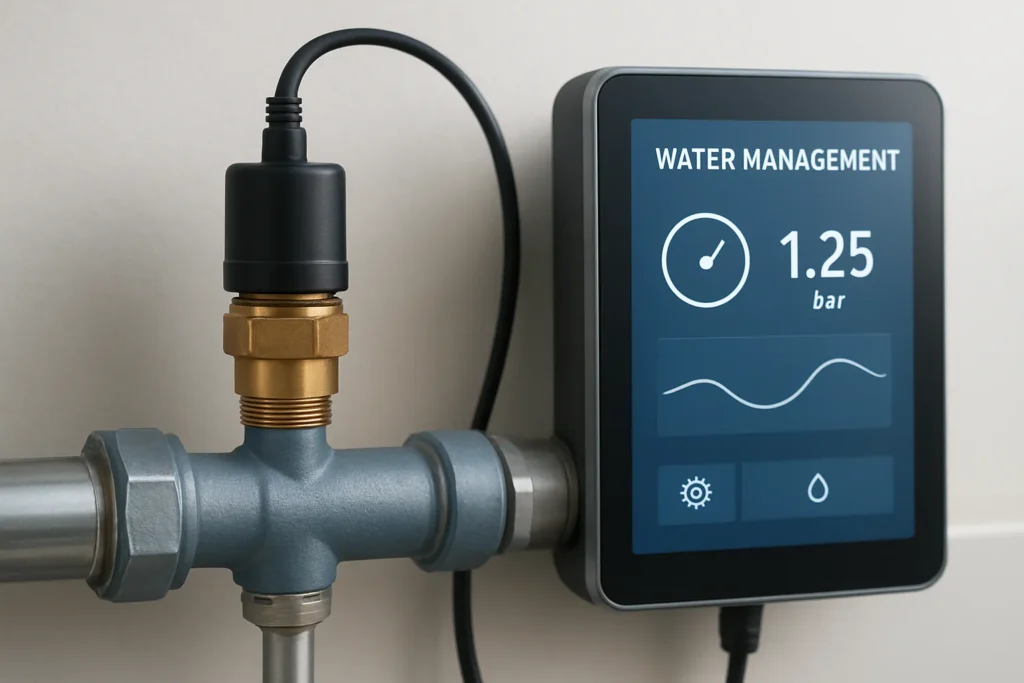
Choosing Reliable Pressure Sensors for Smart Water Management Solutions
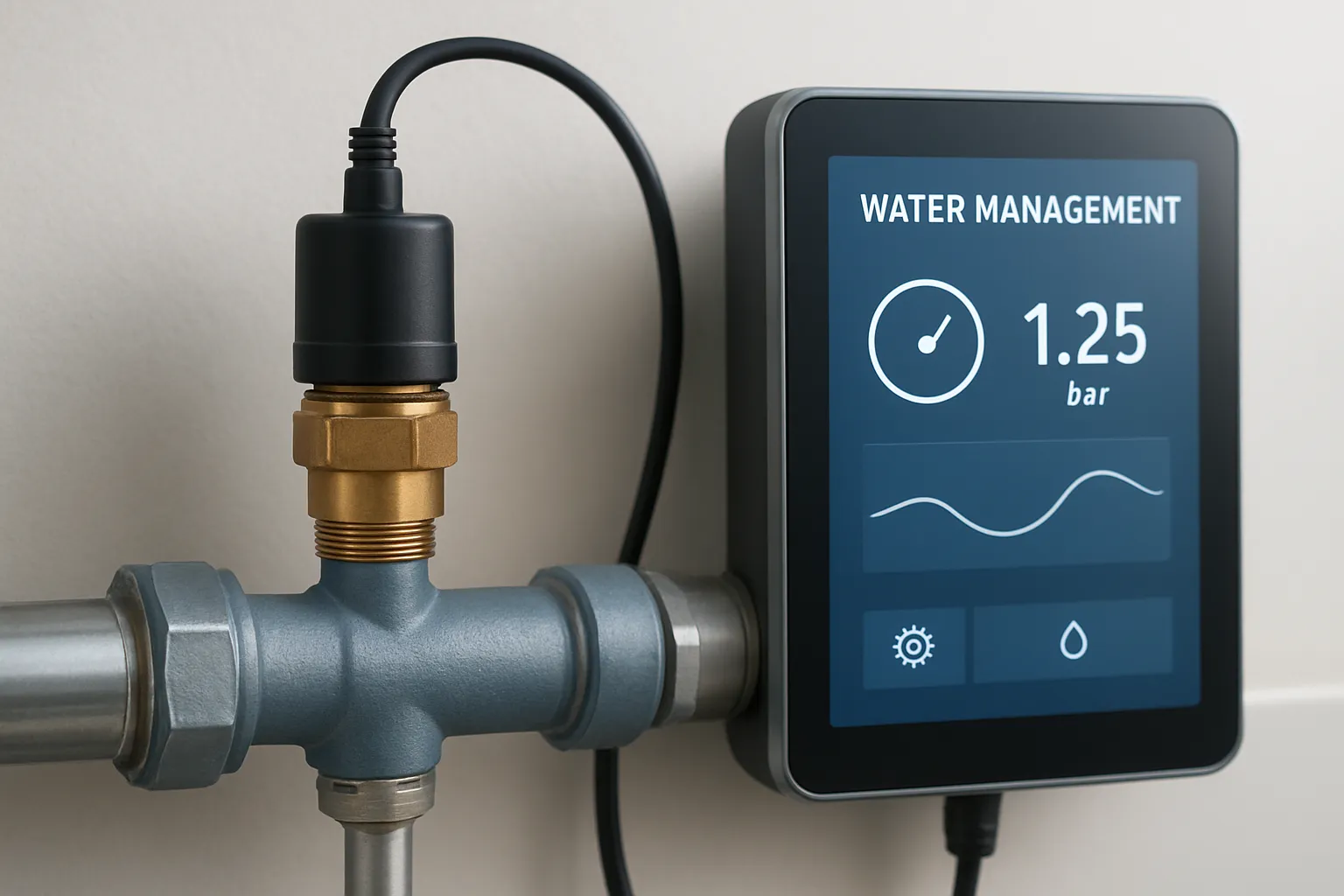
In today’s rapidly evolving technological landscape, the significance of reliable pressure sensors cannot be overstated, especially in the field of water management. These devices not only monitor water pressure but also ensure that smart appliances operate at peak efficiency, thus enhancing overall system performance.
In my experience, smart appliances are designed to optimize energy usage and improve user convenience. They heavily rely on precise water pressure monitoring for effective functioning. By integrating reliable pressure sensors, these appliances can dynamically respond to varying conditions, ensuring optimal water flow and preventing wastage.
Key Specifications of Reliable Pressure Sensors
When selecting pressure sensors for smart appliances, several key specifications are essential to ensure reliability and performance:
Measurement Range
The measurement range of a pressure sensor defines the span of pressure values it can accurately detect. For water management applications, it’s crucial to choose sensors with a suitable range that accommodates both low and high-pressure scenarios. This ensures that the sensor can manage fluctuations in water pressure without sacrificing accuracy.
Accuracy and Precision
Accuracy refers to how closely a sensor’s reading matches the actual value, while precision indicates the repeatability of measurements. Reliable pressure sensors should exhibit both high accuracy and precision to deliver trustworthy data for smart appliances. I believe that in applications where even minor deviations can lead to significant operational issues, these factors are particularly important.
Response Time
The response time of a pressure sensor refers to how quickly it detects a pressure change and delivers a corresponding output. In water management systems, a fast response time is crucial for timely adjustments, allowing smart appliances to react to changes in water pressure without delay. This responsiveness helps prevent issues such as leaks or inefficient water usage.
Use Cases of Pressure Sensors in Smart Appliances
Pressure sensors have a wide range of applications within smart appliances, particularly in water management:
Residential Water Management
In residential settings, reliable pressure sensors play a pivotal role in systems like smart irrigation controllers and water leak detectors. By accurately monitoring water pressure, these sensors assist homeowners in managing their water usage efficiently, leading to reduced bills and conservation of resources.
Industrial Applications
In industrial environments, pressure sensors are utilized across various processes, including water treatment plants and manufacturing facilities. They help monitor pressure levels in pipelines and storage tanks, ensuring that systems operate within safe limits while optimizing water usage in production processes.
Agricultural Innovations
Agriculture is yet another sector that benefits from the integration of reliable pressure sensors. Smart irrigation systems leverage these sensors to adjust water flow based on real-time pressure readings, promoting efficient water usage and enhancing crop yields.
Comparing Different Types of Pressure Sensors
When selecting pressure sensors for smart appliances, it’s essential to understand the differences among various types:
Analog vs. Digital Sensors
Analog sensors provide continuous voltage or current signals proportional to the pressure, while digital sensors output discrete values. From what I have seen, digital sensors are often preferred for smart appliances due to their higher accuracy and easier integration with digital systems.
Capacitive vs. Piezoelectric Sensors
Capacitive sensors measure pressure by detecting changes in capacitance, making them ideal for applications requiring high sensitivity. In contrast, piezoelectric sensors generate an electrical charge in response to applied pressure, offering rapid response times and robustness, suitable for dynamic environments.
Wireless vs. Wired Options
Wireless pressure sensors provide flexibility in installation and reduce the need for extensive wiring, making them excellent for retrofitting into existing systems. However, wired sensors often offer more stable connections and are less susceptible to interference, which can be crucial in industrial settings.
Sourcing Reliable Pressure Sensors
Finding reliable pressure sensors requires a strategic approach:
Identifying Reputable Suppliers
Begin by researching suppliers with a proven track record in manufacturing high-quality pressure sensors. Look for companies specializing in water management technologies, as they are more likely to understand the specific needs of smart appliances.
Evaluating Manufacturer Certifications
Make sure that manufacturers adhere to industry standards and certifications, such as ISO 9001. These certifications indicate a commitment to quality and reliability, providing additional confidence in the products.
Importance of Customer Reviews
Customer feedback can offer valuable insights into the performance and reliability of pressure sensors. Look for reviews and case studies that highlight the experiences of other businesses in similar applications.
Implementation Considerations
Successfully integrating pressure sensors into smart appliances necessitates careful planning:
Integration with Existing Systems
Assess how new pressure sensors will fit into existing water management systems. Compatibility with current technologies is vital to ensure seamless operation and data exchange.
Calibration and Maintenance
Regular calibration and maintenance of pressure sensors are critical to maintaining accuracy and reliability. Establish a routine schedule for these tasks to avoid potential issues that could arise from sensor drift over time.
Cost-Benefit Analysis
Conduct a thorough cost-benefit analysis to evaluate the investment in reliable pressure sensors against the expected savings in water usage and operational efficiency. This analysis can help justify the expenditure and guide purchasing decisions.
Frequently Asked Questions
Common Issues with Pressure Sensors
Some common issues include sensor drift, response time delays, and environmental interference. Understanding these challenges can help businesses take proactive measures to mitigate risks.
Best Practices for Selection
When selecting pressure sensors, prioritize specifications that align with your specific application needs, considering factors such as durability, environmental conditions, and integration capabilities.
Future Trends in Pressure Sensor Technology
As technology advances, we can anticipate improvements in sensor miniaturization, enhanced connectivity options, and increased integration with IoT systems, further driving the evolution of smart appliances in water management.
Conclusion
Choosing reliable pressure sensors for smart appliances in water management is a critical decision that impacts efficiency, accuracy, and overall system performance. By understanding key specifications, comparing different sensor types, and sourcing from reputable suppliers, businesses can make informed choices that lead to successful implementations. As technology continues to evolve, staying informed about the latest trends and best practices will further enhance the effectiveness of pressure sensors in this vital sector.