
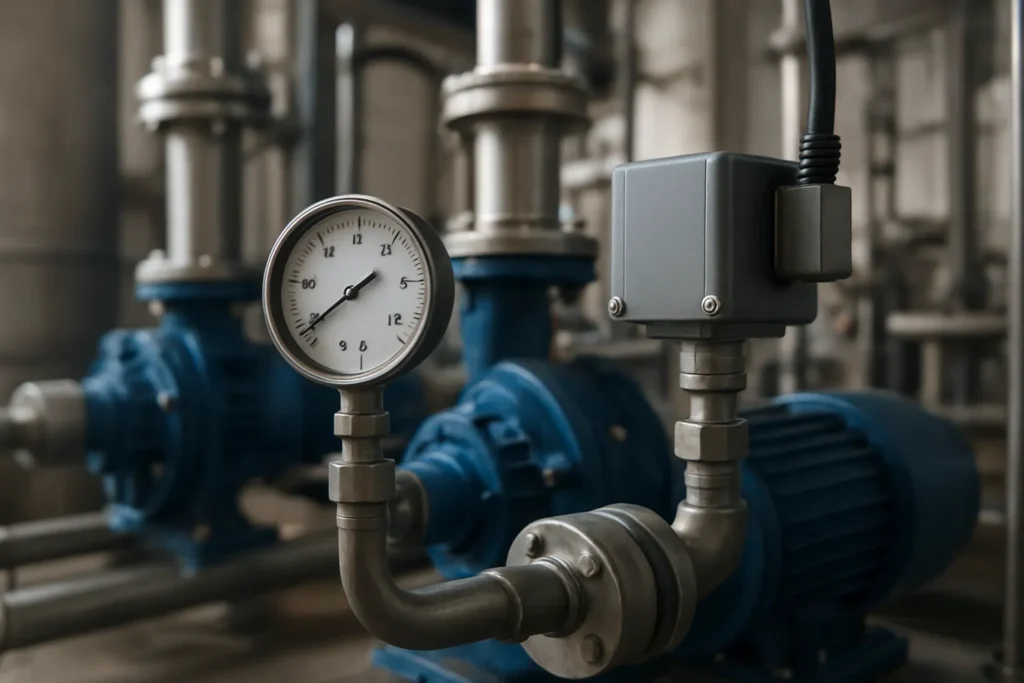
Pressure Detection in Industrial Pump Automation for Efficiency
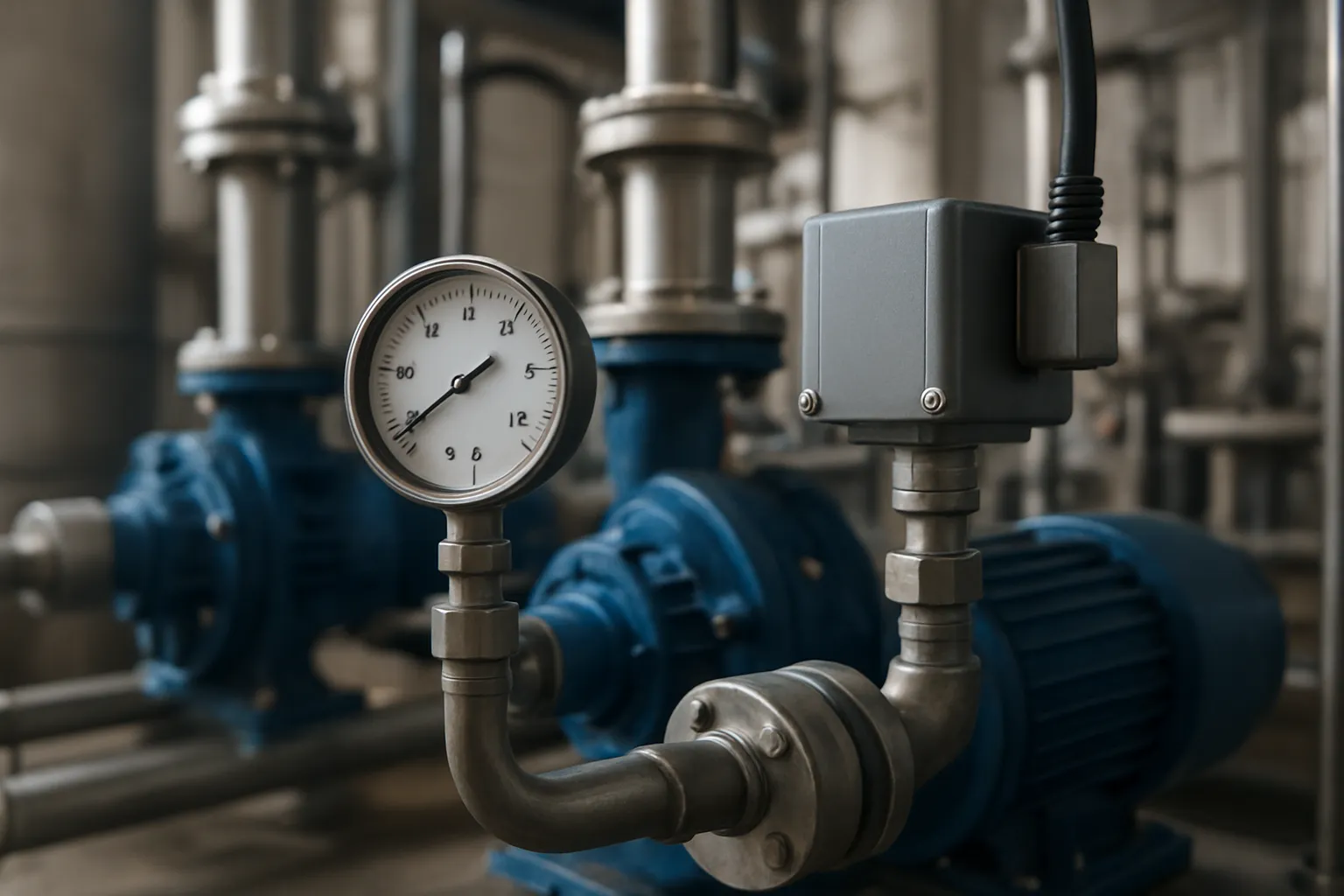
1. Introduction to Pressure Detection Technology
Pressure detection technology encompasses various methods and devices designed to measure the pressure of gases or liquids within a system. This technology is crucial in numerous industrial applications, delivering vital data that informs operational decisions and enhances system performance.
In industrial pump automation, accurate pressure measurement is essential for ensuring optimal operation, safety, and efficiency. As industries continue to embrace automation, the role of precise pressure measurement becomes increasingly indispensable.
2. Understanding Industrial Pump Automation
Industrial pump systems are intricate setups comprising several key components, including pumps, motors, control systems, and sensors. Automating these systems allows for improved management of pump operations, leading to significant advantages such as reduced labor costs, enhanced operational efficiency, and increased reliability.
In my experience, automating pump operations not only minimizes human error but also ensures consistent performance and optimizes resource utilization. As a result, businesses can achieve a more streamlined production process. For further insights into industrial automation, visit our blog.
3. Pressure Detection Technology Specifications
To effectively implement pressure detection technology in industrial pump automation, it’s vital to understand the various types of pressure sensors available. Common types include piezoelectric, capacitive, and strain gauge sensors, each offering unique benefits depending on the application.
Measurement ranges and accuracy levels can differ significantly, making it crucial to select sensors that align with the specific requirements of the pump system. Furthermore, ensuring the ability to integrate pressure sensors with existing systems is critical for maintaining seamless operation and data flow.
For specific product offerings, check out our product page.
4. Use Cases of Pressure Detection in Pump Automation
The application of pressure detection technology in pump automation can be illustrated through various case studies across different sectors. For example, in the oil and gas industry, real-time monitoring of pipeline pressures is essential for preventing leaks and ensuring safety.
Similarly, in water treatment facilities, pressure sensors empower operators to control flow rates and maintain optimal conditions. The impact of these technologies on efficiency and safety is profound; they provide crucial data that enables proactive maintenance and immediate responses to potential issues.
For a broader perspective, refer to this industry reference.
5. Comparing Pressure Detection Technologies
When evaluating pressure detection technologies, businesses should consider the distinctions between analog and digital sensors. Analog sensors provide continuous output, while digital sensors deliver discrete readings, often with greater accuracy.
Additionally, the choice between wired and wireless solutions can impact installation costs and flexibility. In my opinion, conducting a thorough cost-benefit analysis is essential to determine which technology best meets the operational needs and budget constraints of an organization.
6. Sourcing Pressure Detection Technology
Finding the right pressure detection technology involves identifying reputable manufacturers and suppliers. Key factors to consider when sourcing include the supplier’s reputation, product quality, and customer support capabilities.
Evaluating vendor reliability is crucial to ensure that the technology performs as expected and that support is available when needed. For more information on our services, visit our services page.
7. Implementation Strategies for Pressure Detection
Integrating pressure detection technology into existing systems requires a strategic approach. The first step involves assessing the current setup and identifying areas where pressure sensors can be most beneficial.
Training and support for operators are also critical to ensure effective use of the new technology. Common challenges such as compatibility issues or resistance to change can often be mitigated through thorough planning and clear communication about the benefits of the new system.
8. Frequently Asked Questions
- What is the lifespan of pressure sensors?
The lifespan can vary based on the type and application, but many sensors are designed to last several years with proper maintenance. - How do I choose the right pressure detection technology?
Selecting the appropriate technology involves considering factors such as measurement range, accuracy, compatibility with existing systems, and the specific requirements of your application. - What are the maintenance requirements?
Maintenance typically includes regular calibration, cleaning, and inspection to ensure the accuracy and reliability of pressure sensors.
Conclusion
In conclusion, pressure detection technology is a cornerstone of industrial pump automation, providing essential data that enhances operational efficiency and safety. By understanding its specifications, use cases, and implementation strategies, businesses can leverage this technology to optimize their pump systems and drive success in their operations.