
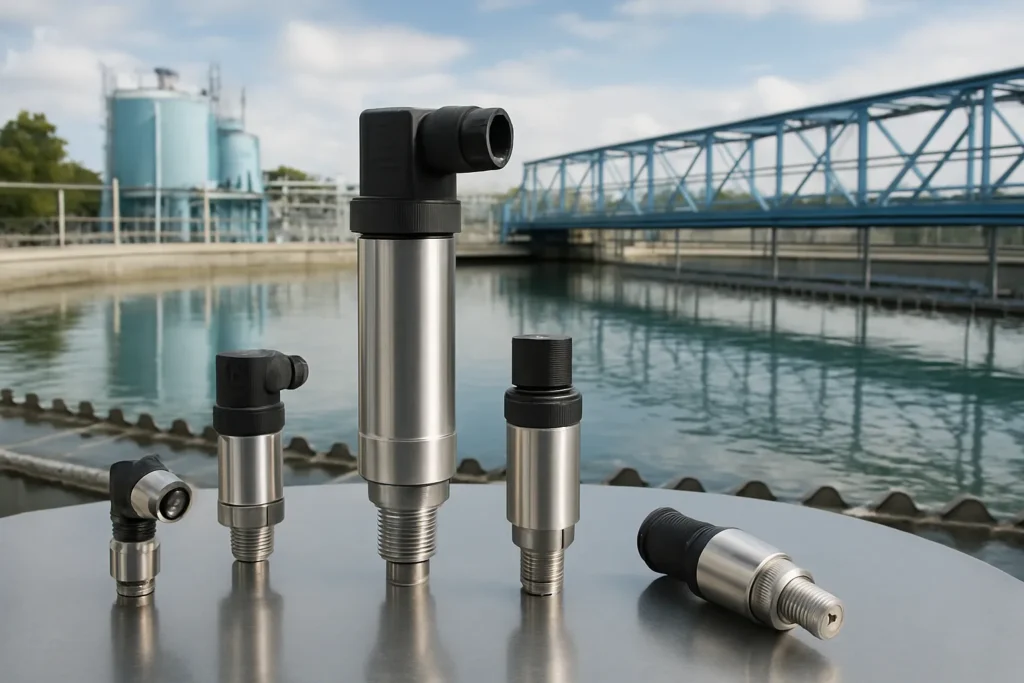
How Customized Pressure Sensors Enhance Water Treatment Solutions
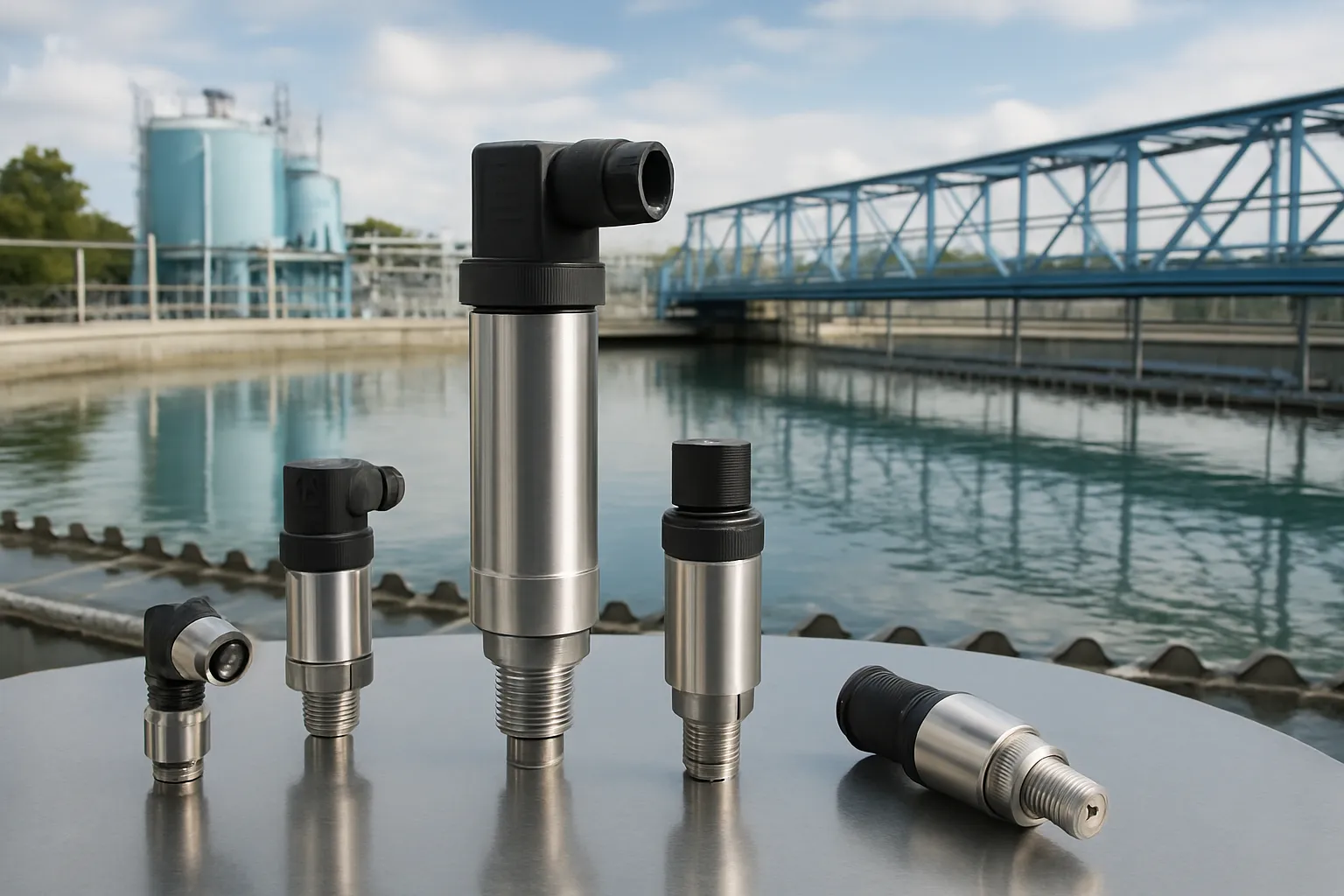
Customized pressure sensors are specialized devices designed to measure the pressure of liquids and gases across a variety of environments. Unlike standard sensors, these devices are tailored to meet specific operational requirements, making them indispensable in critical applications, especially in water treatment solutions. The importance of customized pressure sensors is highlighted by their ability to deliver precise and reliable data, which is crucial for maintaining the integrity and efficiency of water treatment processes. With increasingly stringent water quality regulations and a growing demand for clean water, the role of these sensors in ensuring optimal performance cannot be overstated.
Key Specifications of Customized Pressure Sensors
When selecting customized pressure sensors for water treatment solutions, several key specifications must be taken into account:
- Measurement Range and Accuracy: Customized pressure sensors can be engineered to operate within specific pressure ranges, ensuring accurate measurements at various stages of water treatment. High accuracy is essential; even minor deviations can lead to inefficient processes or equipment damage.
- Material Compatibility and Durability: The materials used in these sensors must be compatible with the substances they will encounter. For example, sensors used in corrosive environments need to be made from materials that can withstand chemical exposure without degrading. Durability is also crucial to minimize maintenance costs and extend the sensor’s lifespan.
- Communication Protocols and Data Integration: Modern water treatment facilities rely on integrated systems for monitoring and control. Customized pressure sensors can be equipped with various communication protocols (such as Modbus, CAN, or analog signals) to ensure seamless data integration with existing systems, facilitating real-time monitoring and data analysis.
Use Cases in Water Treatment Solutions
Customized pressure sensors play a vital role in several key areas within water treatment solutions:
- Monitoring and Control of Water Quality: Accurate pressure data is crucial for monitoring water quality. Customized sensors can detect pressure changes that signal potential contamination or system failures, enabling operators to take corrective actions swiftly.
- Pressure Management in Treatment Processes: In processes such as filtration, reverse osmosis, and disinfection, maintaining optimal pressure levels is essential for efficiency. Customized pressure sensors help manage these pressures, ensuring that treatment processes operate within their designed parameters.
- Real-time Data Collection and Analysis: With the capability to provide real-time pressure data, these sensors empower water treatment facilities to analyze trends and make informed decisions. This functionality supports proactive maintenance strategies and enhances overall operational efficiency.
Comparing Customized Pressure Sensors with Standard Sensors
When evaluating pressure sensors for water treatment applications, it is essential to compare customized options with standard sensors:
- Performance Differences: Customized pressure sensors often outperform standard sensors in terms of accuracy, range, and adaptability to specific conditions, making them more suitable for specialized applications.
- Cost-Benefit Analysis: While customized sensors may entail a higher upfront cost, their long-term benefits—such as reduced maintenance, improved efficiency, and enhanced data accuracy—can result in significant cost savings over time.
- Application Suitability: Standard sensors may suffice for basic applications, but when unique conditions or specific requirements arise, customized sensors offer the flexibility needed to ensure optimal performance.
Sourcing Customized Pressure Sensors
Finding the right supplier for customized pressure sensors is critical:
- Identifying Reliable Suppliers: Start by researching manufacturers with a proven track record in producing high-quality customized sensors. Look for companies that offer comprehensive support and have experience in the water treatment sector.
- Evaluating Manufacturer Capabilities: Assess the manufacturer’s ability to meet your specific requirements, including customization options, technical support, and after-sales service.
- Importance of Customization Options: Ensure that the supplier can provide a range of customization options, from sensor materials to communication protocols, allowing you to tailor the sensors to your exact needs.
Implementation Strategies for Customized Pressure Sensors
Successfully integrating customized pressure sensors into existing water treatment systems requires careful planning:
- Integration with Existing Systems: Collaborate closely with your technology team to ensure that the new sensors can be seamlessly integrated into your current monitoring and control systems.
- Training and Support for Staff: Provide training for staff on how to operate and maintain the new sensors. This will ensure that they can effectively interpret the data and respond to any alerts or anomalies.
- Maintenance and Calibration Best Practices: Establish a routine maintenance and calibration schedule to ensure that the sensors continue to operate accurately over time. This will help maintain the reliability of pressure data and the overall efficiency of the water treatment process.
Frequently Asked Questions
- What are the advantages of customized sensors? Customized sensors offer enhanced accuracy, tailored measurement ranges, and compatibility with specific materials, making them ideal for specialized applications.
- How do I choose the right sensor for my application? Consider the specific requirements of your water treatment process, including pressure ranges, environmental conditions, and integration needs when selecting a sensor.
- What is the typical lead time for customized sensors? Lead times can vary significantly based on the complexity of the customization and the manufacturer’s capabilities, but it is generally advisable to plan for several weeks to a few months for delivery.
In conclusion, customized pressure sensors are essential components in modern water treatment solutions. Their ability to provide accurate pressure data, combined with their adaptability to specific applications, makes them invaluable for maintaining water quality and optimizing treatment processes. By understanding their specifications, use cases, and sourcing strategies, organizations can effectively implement these sensors to enhance their water treatment operations.