
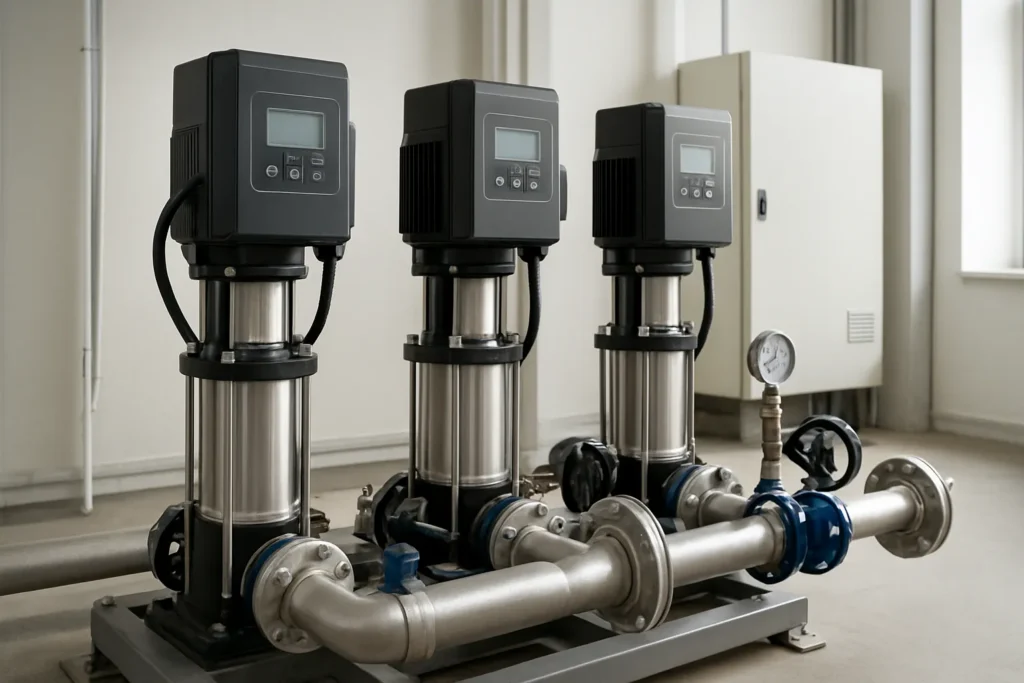
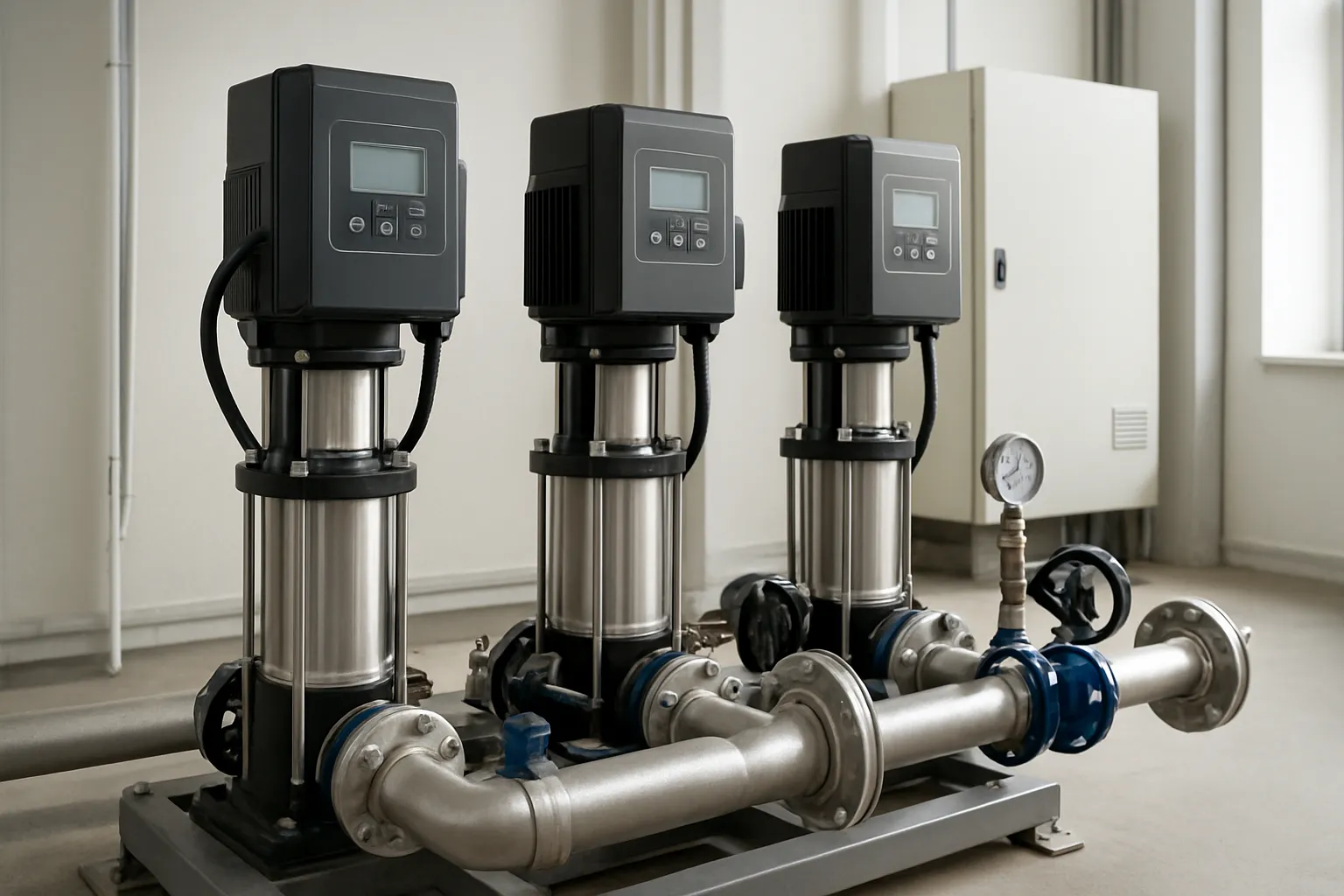
Integrating Electronic Pressure Controllers in Booster Pump Systems for Optimal Performance
Electronic pressure controllers (EPCs) represent a significant advancement in the regulation of pressure levels within various systems, particularly booster pump systems. These devices leverage electronic sensors and sophisticated algorithms to respond to pressure changes in real-time, thereby ensuring optimal performance and efficiency. In my experience, the integration of EPCs into booster pump systems enhances operational reliability, reduces energy consumption, and extends the lifespan of equipment. This makes them an indispensable component in modern fluid management systems. For more information on reliable pressure sensing technology, visit Built to Last 200,000 Cycles — Reliable Pressure Sensing.
Specifications of Electronic Pressure Controllers
When assessing electronic pressure controllers, it’s essential to consider several key features and performance metrics:
Key Features: EPCs typically include digital displays for straightforward monitoring, programmable settings for customized pressure profiles, and communication interfaces for smooth integration with existing control systems. Many models also come equipped with data logging capabilities, which are invaluable for performance analysis and predictive maintenance.
Performance Metrics: The efficiency of an EPC can be gauged by its response time, accuracy, and pressure range. High-quality controllers are designed to adjust pressure within seconds, ensuring system stability under varying operational conditions. The accuracy of pressure readings profoundly influences the overall performance of the booster pump system. For specific product offerings, check out Products – Shengzhou Mindong Electronic Technology Co., Ltd..
Use Cases of Electronic Pressure Controllers in Booster Pump Systems
EPCs find extensive applications across various sectors, enhancing the functionality of booster pump systems in both industrial and commercial environments.
Industrial Applications: In manufacturing and water treatment industries, EPCs are crucial for maintaining consistent pressure levels in processes where fluid dynamics are critical. For example, in a water treatment facility, an EPC ensures that water pressure remains within specified limits, optimizing the filtration process and bolstering overall efficiency.
Commercial Applications: In commercial buildings, EPCs are integral to HVAC systems and irrigation applications. They manage water pressure to ensure comfort in heating and cooling systems while minimizing energy costs. In irrigation, these controllers optimize water usage, promoting sustainability and reducing operational expenses. According to an industry reference from Engineering360, the applications of EPCs are vast and varied.
Comparison of Electronic Pressure Controllers and Traditional Systems
Comparing electronic pressure controllers to traditional mechanical systems reveals several advantages:
Efficiency and Performance: EPCs generally offer superior efficiency due to their rapid response to pressure fluctuations. Unlike traditional systems, which may rely on mechanical components that wear out over time, EPCs maintain consistent performance, reducing downtime and maintenance costs.
Cost Analysis: While the initial investment in electronic pressure controllers may be higher than that of traditional systems, the long-term savings from reduced energy consumption and lower maintenance costs often outweigh the upfront expenses. Additionally, the enhanced reliability of EPCs can lead to increased productivity, further justifying the investment.
Sourcing Electronic Pressure Controllers
When sourcing electronic pressure controllers, it’s crucial to consider leading manufacturers and key factors influencing the purchasing decision:
Leading Manufacturers: Prominent manufacturers in the market include Siemens, Honeywell, and Parker Hannifin. These companies are renowned for their innovative products and reliable customer support, making them trusted partners for businesses seeking EPC solutions.
Factors to Consider: Potential buyers should evaluate specifications such as compatibility with existing systems, warranty and support options, and the availability of replacement parts. Understanding the specific needs of the application will also aid in selecting the appropriate model.
Implementation of Electronic Pressure Controllers in Booster Pump Systems
Successfully integrating electronic pressure controllers into booster pump systems requires careful planning and execution:
Installation Process: Installing EPCs typically involves connecting the controller to the pump system and configuring it to meet specific pressure requirements. I recommend collaborating with experienced technicians to ensure a correct and safe installation.
Integration Challenges: Although integrating EPCs can significantly enhance system performance, challenges such as compatibility issues with existing control systems or the need for additional training for personnel may arise. Addressing these challenges early in the planning process can streamline implementation.
Frequently Asked Questions
Common Concerns: A prevalent concern regarding electronic pressure controllers is their reliability in harsh environments. However, many modern EPCs are designed to withstand extreme conditions, making them suitable for a variety of industrial applications.
Troubleshooting Tips: If issues arise with an EPC, checking for proper installation, ensuring sensor calibration, and verifying that controller settings align with system requirements is essential. Regular maintenance and monitoring can also help prevent potential problems.
In conclusion, integrating electronic pressure controllers into booster pump systems provides numerous advantages, including enhanced efficiency, reliability, and cost-effectiveness. By understanding their specifications, applications, and implementation processes, businesses can make informed decisions that lead to improved operational performance. As industries continue to evolve, adopting advanced control systems like EPCs will be critical in achieving sustainable and efficient fluid management solutions.